9 Tips to work from home getting more performance!
Published.: April 05th, 2020
Tips and advice on how to implement work from home or remote work and not die trying!
Prepare your workspace.
If possible, look for a private space to use as an office, and if that’s not an option, avoid high-traffic areas in your home. Choose a quiet corner, ideally with a window and/or fresh air, decorated with refreshing colors.
Get comfortable.
Find a comfortable and as ergonomic a chair as possible. The space shouldn’t be so cozy that you fall asleep (like lying down), but comfortable enough to avoid back or eye strain caused by a poorly organized workspace.
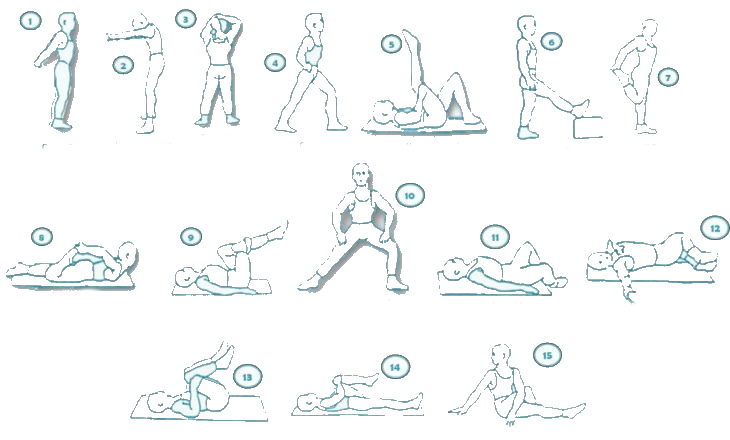
Do short exercise cycles.
Small weights, hand grippers, stress balls, or a treadmill are good examples. Taking short breaks to exercise can help you switch gears. Do wrist, arm, shoulder, head, hip, and neck rotations in short cycles to release tension.
Keep your space clean and organized.
Avoid piling up papers, books, empty coffee cups, or food/snack residues. Perform frequent cleaning cycles of your workspace. Feeling comfortable doesn’t mean working in a mess.
Manage distractions wisely.
Avoid distractions, but keep something handy for short breaks, such as a book or mobile games, for limited periods — not constant distractions. Have everything you need within reach to avoid interruptions from predictable needs.
Work with goals.
Create a list of tasks you need to complete each day... and then complete them. Make sure everything you need for work is available, whether at the office or on your computer. Check off items on the list as they are completed.
Take eye breaks.
Reduce eye strain by following the 20-20-20 rule. Every 20 minutes, look away from the screen. Focus on something 20 meters away and hold it for 20 seconds. Your eyes will thank you.
Be firm with those who distract you.
Working from home still means working! Train yourself to disengage firmly but politely. Don’t answer the phone or the door — as simple as that. Communicating your schedule means there’s no need to apologize for being unavailable to a friend, in-laws, or partner, as long as it’s not an emergency. Just as it would be if you were at the office.
Dress like a professional.
Change out of your pajamas! Make it a habit to get up and prepare yourself for a normal workday every day. Otherwise, you’ll get distracted, lose track of time, and panic when you suddenly need to jump on a video call or leave the house.
Fill out the form below, and we will get in touch with you as soon as possible to provide the information or assistance you need.
2
Contact us for quotes or inquiries through our communication channels. ¡We are at your service!
3
Stay up to date with news, articles, and important information. Visit us, follow us, and like our social media pages to stay informed and receive updates!
4
Schedule a meeting with one of our expert advisors to discuss your needs.
Tips and advice on how to implement work from home or remote work and not die trying!
Prepare your workspace.
If possible, look for a private space to use as an office, and if that’s not an option, avoid high-traffic areas in your home. Choose a quiet corner, ideally with a window and/or fresh air, decorated with refreshing colors.
Get comfortable.
Find a comfortable and as ergonomic a chair as possible. The space shouldn’t be so cozy that you fall asleep (like lying down), but comfortable enough to avoid back or eye strain caused by a poorly organized workspace.
Do short exercise cycles.
Small weights, hand grippers, stress balls, or a treadmill are good examples. Taking short breaks to exercise can help you switch gears. Do wrist, arm, shoulder, head, hip, and neck rotations in short cycles to release tension.
Keep your space clean and organized.
Avoid piling up papers, books, empty coffee cups, or food/snack residues. Perform frequent cleaning cycles of your workspace. Feeling comfortable doesn’t mean working in a mess.
Manage distractions wisely.
Avoid distractions, but keep something handy for short breaks, such as a book or mobile games, for limited periods — not constant distractions. Have everything you need within reach to avoid interruptions from predictable needs.
Work with goals.
Create a list of tasks you need to complete each day... and then complete them. Make sure everything you need for work is available, whether at the office or on your computer. Check off items on the list as they are completed.
Take eye breaks.
Reduce eye strain by following the 20-20-20 rule. Every 20 minutes, look away from the screen. Focus on something 20 meters away and hold it for 20 seconds. Your eyes will thank you.
Be firm with those who distract you.
Working from home still means working!
Train yourself to disengage firmly but politely. Don’t answer the phone or the door — as simple as that. Communicating your schedule means there’s no need to apologize for being unavailable to a friend, in-laws, or partner, as long as it’s not an emergency. Just as it would be if you were at the office.
Dress like a professional.
Change out of your pajamas!
Make it a habit to get up and prepare yourself for a normal workday every day. Otherwise, you’ll get distracted, lose track of time, and panic when you suddenly need to jump on a video call or leave the house.